Tarina P Production
Durban, South Africa 4001

Gallery
 Featured
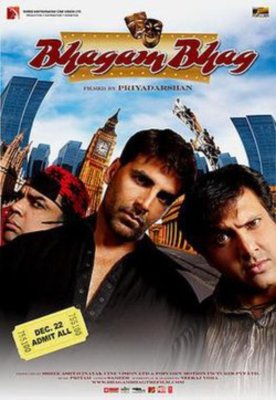
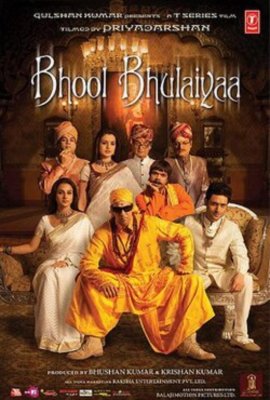
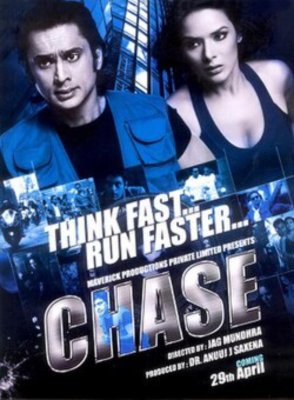














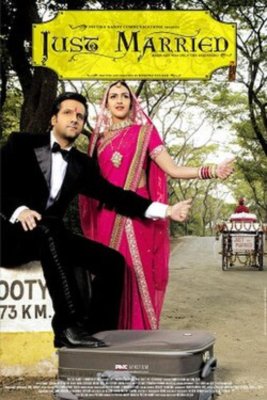


Tarina Patel is a South African actress, film producer, model and television host, born in Cape Town and raised in Durban. She appeared in Akshay Kumar's horror-comedy Bhool Bhulaiyaa.
Book an Appointment
Choose from available services and book online.
Book NowNo account needed — book as a guest and track via email receipt.
Personal n Celebrity
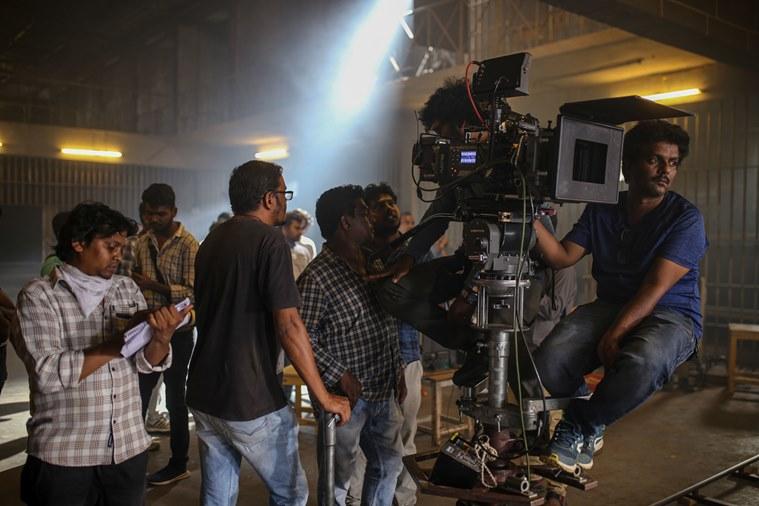
Technology has always played a role in the development of cinema. From improvements in cameras and sound recording to computer-generated visual effects and digital editing, filmmaking has continuously adopted new tools.
Artificial intelligence is now becoming part of this conversation, raising questions about how films will be created, produced and experienced in the years ahead.
New tools for filmmakers
AI-assisted technology can support different stages of production. Depending on the application, it may help with pre-visualisation, production planning, editing workflows, language adaptation and other creative or technical tasks.
For filmmakers, these tools may offer new ways to explore ideas and manage certain aspects of production. However, the value of any technology depends on how thoughtfully it is used.
The broader Indian entertainment and media industry is examining AI as part of changes in content creation, distribution and audience engagement. PwC's India outlook for 2026–2030 identifies AI as one of the technologies reshaping the entertainment value chain.
PwC
+1
Creativity cannot be reduced to technology alone
A film is more than a collection of images and sound. It involves performances, direction, writing, emotion, cultural understanding and collaboration.
Technology can assist with certain tasks, but filmmakers still need to make creative decisions about the story they want to tell and the experience they want audiences to have.
This is particularly important when working with culturally significant stories, historical subjects or characters inspired by real people.
Questions around responsibility
The growth of AI also brings important discussions about consent, intellectual property, authenticity and the rights of creative professionals. These issues matter to actors, writers, musicians, technicians and audiences alike.
The industry will need to consider how new tools can be introduced while respecting the contributions and rights of the people involved in filmmaking.
A changing creative landscape
The future of Bollywood may involve a combination of traditional filmmaking expertise and emerging technologies. The balance between innovation and human creativity will continue to be an important topic.
As audiences, we can remain curious about new developments while appreciating the craft that has made Indian cinema so influential.
Technology may provide new possibilities, but the lasting impact of a film will still depend on the story, the people who create it and the emotions it inspires.
Artificial intelligence is now becoming part of this conversation, raising questions about how films will be created, produced and experienced in the years ahead.
New tools for filmmakers
AI-assisted technology can support different stages of production. Depending on the application, it may help with pre-visualisation, production planning, editing workflows, language adaptation and other creative or technical tasks.
For filmmakers, these tools may offer new ways to explore ideas and manage certain aspects of production. However, the value of any technology depends on how thoughtfully it is used.
The broader Indian entertainment and media industry is examining AI as part of changes in content creation, distribution and audience engagement. PwC's India outlook for 2026–2030 identifies AI as one of the technologies reshaping the entertainment value chain.
PwC
+1
Creativity cannot be reduced to technology alone
A film is more than a collection of images and sound. It involves performances, direction, writing, emotion, cultural understanding and collaboration.
Technology can assist with certain tasks, but filmmakers still need to make creative decisions about the story they want to tell and the experience they want audiences to have.
This is particularly important when working with culturally significant stories, historical subjects or characters inspired by real people.
Questions around responsibility
The growth of AI also brings important discussions about consent, intellectual property, authenticity and the rights of creative professionals. These issues matter to actors, writers, musicians, technicians and audiences alike.
The industry will need to consider how new tools can be introduced while respecting the contributions and rights of the people involved in filmmaking.
A changing creative landscape
The future of Bollywood may involve a combination of traditional filmmaking expertise and emerging technologies. The balance between innovation and human creativity will continue to be an important topic.
As audiences, we can remain curious about new developments while appreciating the craft that has made Indian cinema so influential.
Technology may provide new possibilities, but the lasting impact of a film will still depend on the story, the people who create it and the emotions it inspires.
View details
Showcase listing
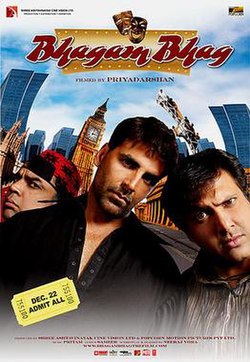
Bhagam Bhag (transl. Mad rush) is a 2006 Indian Hindi-language comedy thriller film directed by Priyadarshan and written by Neeraj Vora. It was produced by Sunil Shetty and Dhilin Mehta. The film stars Akshay Kumar, Govinda and Paresh Rawal as the three leads alongside Lara Dutta, Rajpal Yadav, Jackie Shroff, Arbaaz Khan, Shakti Kapoor, Manoj Joshi, Razak Khan and Asrani. The film tells the story of a theatre group which travels to London for a show and need a heroine to complete their play, onl
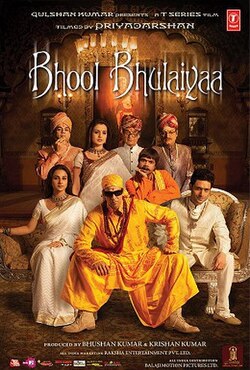
Bhool Bhulaiyaa (transl. Labyrinth) is a 2007 Indian Hindi-language psychological horror comedy film directed by Priyadarshan from a screenplay by Neeraj Vora and produced by T Series. It is a remake of the 1993 Malayalam-language film Manichitrathazhu written by Madhu Muttam and directed by Fazil, which is based on a 19th-century tragedy that happened at Madhu's Alummoottil tharavad (an old traditional mansion) in Muttom (near Haripad) in central Travancore.[3][4][5] The film stars Akshay Kumar
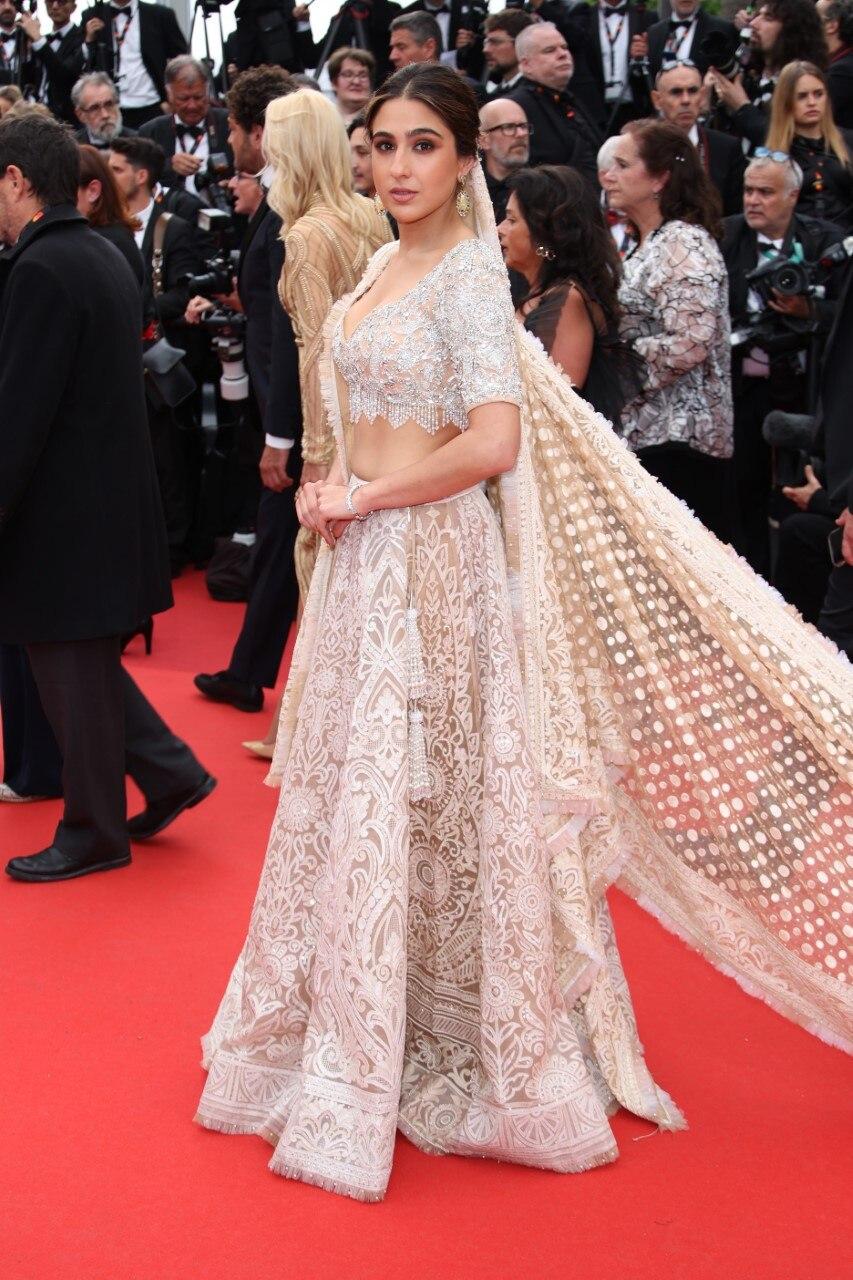
Bollywood has always been about more than storytelling. It is also a world of colour, design, glamour and visual expression. From elaborate costumes in period dramas to contemporary fashion in modern romances, clothing plays an important role in how characters and celebrities are presented.
For many viewers, a film's fashion can be just as memorable as its dialogue or music.
From film costumes to everyday inspiration
Indian cinema has influenced fashion preferences across generations. A particular saree style, jewellery design, hairstyle or menswear look can gain attention after appearing on screen.
Costume designers help establish the personality of a character. Clothing can communicate a character's background, profession, mood and transformation throughout a story.
In a period film, costumes may help recreate a historical setting. In a contemporary production, fashion can help reflect the characters' lifestyles and relationships.
The celebrity influence
Bollywood celebrities also play a visible role in fashion culture. Their appearances at premieres, award ceremonies, brand events and public engagements attract attention from audiences and fashion enthusiasts.
Social media has expanded this influence. Fans can see outfits, styling details and behind-the-scenes preparation almost immediately, creating conversations around individual looks.
However, fashion is not limited to expensive designer labels. Personal style can be expressed through colour combinations, accessories, traditional clothing and creative choices at every budget.
Tradition meets modern style
One of the most interesting aspects of Indian fashion is the combination of traditional and contemporary influences. Designers and stylists often experiment with silhouettes, fabrics and styling techniques while drawing inspiration from India's rich cultural heritage.
Bollywood frequently reflects this blend, presenting clothing that connects with both cultural identity and modern tastes.
The personal side of fashion
Fashion is ultimately a form of self-expression. While celebrity appearances may inspire trends, individuals should feel free to choose styles that suit their personality, comfort and circumstances.
A beautiful outfit does not need to follow every trend. Confidence, thoughtful styling and authenticity can make a lasting impression.
Bollywood fashion will continue to evolve, but its greatest appeal lies in the creativity that allows traditional Indian aesthetics and contemporary design to exist together.
For many viewers, a film's fashion can be just as memorable as its dialogue or music.
From film costumes to everyday inspiration
Indian cinema has influenced fashion preferences across generations. A particular saree style, jewellery design, hairstyle or menswear look can gain attention after appearing on screen.
Costume designers help establish the personality of a character. Clothing can communicate a character's background, profession, mood and transformation throughout a story.
In a period film, costumes may help recreate a historical setting. In a contemporary production, fashion can help reflect the characters' lifestyles and relationships.
The celebrity influence
Bollywood celebrities also play a visible role in fashion culture. Their appearances at premieres, award ceremonies, brand events and public engagements attract attention from audiences and fashion enthusiasts.
Social media has expanded this influence. Fans can see outfits, styling details and behind-the-scenes preparation almost immediately, creating conversations around individual looks.
However, fashion is not limited to expensive designer labels. Personal style can be expressed through colour combinations, accessories, traditional clothing and creative choices at every budget.
Tradition meets modern style
One of the most interesting aspects of Indian fashion is the combination of traditional and contemporary influences. Designers and stylists often experiment with silhouettes, fabrics and styling techniques while drawing inspiration from India's rich cultural heritage.
Bollywood frequently reflects this blend, presenting clothing that connects with both cultural identity and modern tastes.
The personal side of fashion
Fashion is ultimately a form of self-expression. While celebrity appearances may inspire trends, individuals should feel free to choose styles that suit their personality, comfort and circumstances.
A beautiful outfit does not need to follow every trend. Confidence, thoughtful styling and authenticity can make a lasting impression.
Bollywood fashion will continue to evolve, but its greatest appeal lies in the creativity that allows traditional Indian aesthetics and contemporary design to exist together.
View details
Showcase listing
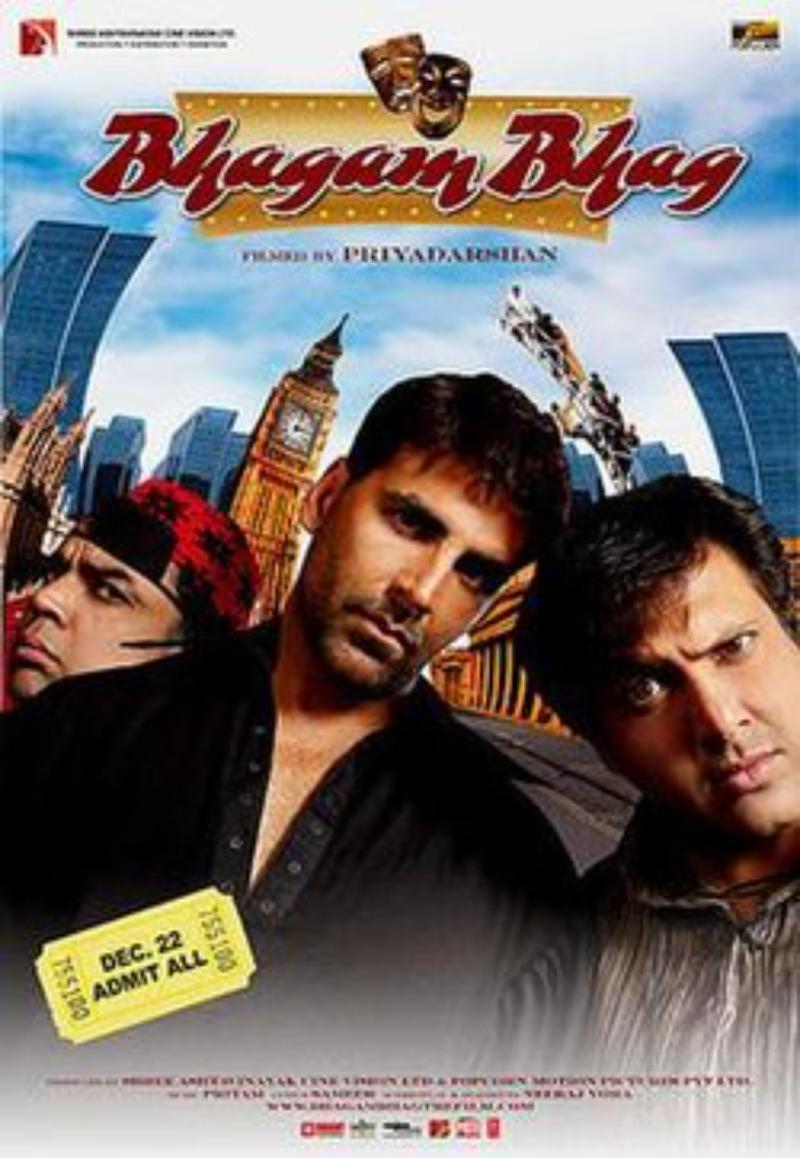
There was a time when a Bollywood film's biggest selling point was often the name on its poster. A superstar, a grand production, a memorable soundtrack and a powerful promotional campaign could create tremendous anticipation. While star power remains an important part of Hindi cinema, audiences today are also asking a different question: Is the story worth my time?
The relationship between audiences and Bollywood is changing. Viewers have access to cinema from across India and the world, and streaming platforms have made it easier to discover stories that might once have struggled to reach a wider audience.
The changing expectations of moviegoers
Today's audience is more familiar with different styles of storytelling. Viewers can enjoy a big-budget action spectacle one weekend and a thoughtful, character-driven drama the next. They may appreciate an established star while also supporting a newcomer whose performance brings something unexpected to the screen.
This creates an interesting challenge for filmmakers. A recognisable face can attract attention, but the screenplay, direction, performances and overall experience must still connect with viewers.
Recent industry research illustrates this shift in audience behaviour. The Ormax Bollywood Audience Report 2026 examines the viewing preferences, motivations and barriers of regular Hindi theatrical audiences, highlighting the importance of understanding what encourages people to visit cinemas.
Ormax Media Pvt. Ltd.
+1
The value of originality
Bollywood has a long history of memorable original stories, remakes, adaptations and franchise films. Each format has its place, but audiences can become more selective when similar themes and formulas appear repeatedly.
Original storytelling does not necessarily mean abandoning familiar genres. A romance can still be emotional, an action film can still be spectacular, and a family drama can still touch the heart. The difference lies in how creatively the story is developed and how genuinely the characters are presented.
What lies ahead?
I believe the continuing conversation around Bollywood should not focus only on box-office numbers. We should also discuss the writers, technicians, performers and creative teams who bring each production to life.
Cinema is ultimately a shared experience between storyteller and audience. Stars may draw us into a theatre, but memorable stories give us reasons to talk about a film long after the credits roll.
The future of Bollywood will be shaped not by one single formula, but by the many ways filmmakers connect with an increasingly diverse audience.
The relationship between audiences and Bollywood is changing. Viewers have access to cinema from across India and the world, and streaming platforms have made it easier to discover stories that might once have struggled to reach a wider audience.
The changing expectations of moviegoers
Today's audience is more familiar with different styles of storytelling. Viewers can enjoy a big-budget action spectacle one weekend and a thoughtful, character-driven drama the next. They may appreciate an established star while also supporting a newcomer whose performance brings something unexpected to the screen.
This creates an interesting challenge for filmmakers. A recognisable face can attract attention, but the screenplay, direction, performances and overall experience must still connect with viewers.
Recent industry research illustrates this shift in audience behaviour. The Ormax Bollywood Audience Report 2026 examines the viewing preferences, motivations and barriers of regular Hindi theatrical audiences, highlighting the importance of understanding what encourages people to visit cinemas.
Ormax Media Pvt. Ltd.
+1
The value of originality
Bollywood has a long history of memorable original stories, remakes, adaptations and franchise films. Each format has its place, but audiences can become more selective when similar themes and formulas appear repeatedly.
Original storytelling does not necessarily mean abandoning familiar genres. A romance can still be emotional, an action film can still be spectacular, and a family drama can still touch the heart. The difference lies in how creatively the story is developed and how genuinely the characters are presented.
What lies ahead?
I believe the continuing conversation around Bollywood should not focus only on box-office numbers. We should also discuss the writers, technicians, performers and creative teams who bring each production to life.
Cinema is ultimately a shared experience between storyteller and audience. Stars may draw us into a theatre, but memorable stories give us reasons to talk about a film long after the credits roll.
The future of Bollywood will be shaped not by one single formula, but by the many ways filmmakers connect with an increasingly diverse audience.
View details
Showcase listing
Chase
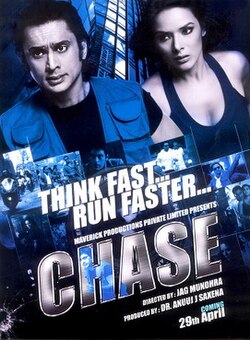
P.O.AChase is a 2010 Indian Hindi-language action film directed by Jag Mundhra. The film stars Anuj Saxena, Udita Goswami, Sameer Kochhar and Tareena Patel in the lead roles, with Gulshan Grover making a special appearance.[2][3] It was released on April 30, 2010. The musical score was composed by Udbhav Ojha and Vijay Verma, with lyrics by Jalees Sherwani, Manthan and Prashant Vasl. The title song is sung by Sajid Khan, while other songs were performed by Shaan, Shreya Ghoshal, and Vasundhara Das. T

Dhol
P.O.ADhol (Hindi pronunciation: [ɖʰoːl]) can refer to any one of a number of similar types of double-headed drum widely used, with regional variations, throughout the Indian subcontinent. Its range of distribution in Indian subcontinent primarily includes northern areas such as the Jammu, Himachal, Punjab, Haryana, Delhi, Kashmir, Sindh, Assam Valley, Uttarakhand, West Bengal, Odisha, Gujarat, Maharashtra, Konkan, Goa, Karnataka, Rajasthan, Bihar, Jharkhand and Uttar Pradesh. A related instrument is
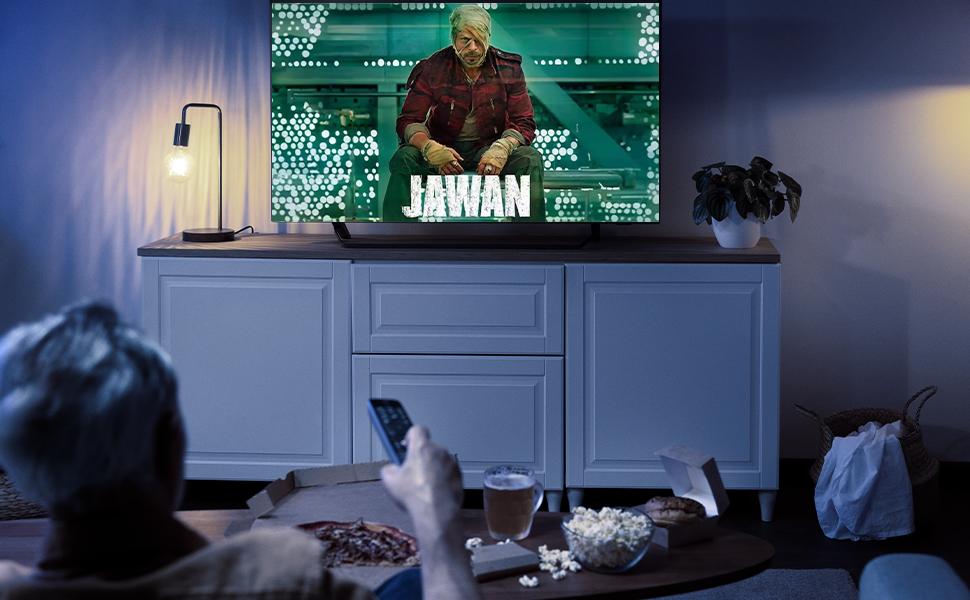
The way we enjoy entertainment has changed dramatically. Not too long ago, a Friday night at the cinema was a familiar ritual for many families and friends. Today, audiences can watch films, series and documentaries from the comfort of their homes, often with nothing more than a smartphone or smart television.
Streaming platforms have become an important part of the entertainment ecosystem, offering audiences access to Hindi films, regional cinema, international productions and original series.
More choice for audiences
One of the biggest changes brought about by OTT platforms is the variety of content available. Viewers no longer have to depend entirely on theatrical releases or television schedules to discover something interesting.
A story produced in one part of India can find audiences elsewhere through subtitles, dubbing and digital distribution. This creates opportunities for filmmakers working in different languages and genres.
India's entertainment industry is also experiencing broader digital expansion. PwC's 2026–2030 India outlook projects growth in entertainment and media, with regional content, connectivity, artificial intelligence and digital monetisation among the forces shaping the sector.
PwC
+1
Cinema and streaming can coexist
There is sometimes a tendency to describe theatrical cinema and streaming as competing experiences, but the relationship is more complex.
A major theatrical release offers the excitement of a shared audience, large-scale sound and visuals, and the atmosphere of watching a film with others. Streaming offers convenience, flexibility and the opportunity to explore stories that might not receive a wide cinema release.
Both formats serve different viewing preferences.
What this means for Bollywood
For Bollywood, digital platforms provide additional opportunities to reach audiences and experiment with storytelling. A limited series can develop a plot across several episodes, while a feature film can focus on a complete story within a shorter running time.
The challenge is to ensure that quantity does not replace quality. Audiences have more options than ever, which means strong writing, engaging performances and thoughtful production remain essential.
As the industry evolves, the most exciting possibility is that more stories will find their audiences, regardless of the size of their initial theatrical release.
Whether we watch on a cinema screen or through a streaming service, the heart of entertainment remains the same: a compelling story that makes us feel, think or simply enjoy the moment.
Streaming platforms have become an important part of the entertainment ecosystem, offering audiences access to Hindi films, regional cinema, international productions and original series.
More choice for audiences
One of the biggest changes brought about by OTT platforms is the variety of content available. Viewers no longer have to depend entirely on theatrical releases or television schedules to discover something interesting.
A story produced in one part of India can find audiences elsewhere through subtitles, dubbing and digital distribution. This creates opportunities for filmmakers working in different languages and genres.
India's entertainment industry is also experiencing broader digital expansion. PwC's 2026–2030 India outlook projects growth in entertainment and media, with regional content, connectivity, artificial intelligence and digital monetisation among the forces shaping the sector.
PwC
+1
Cinema and streaming can coexist
There is sometimes a tendency to describe theatrical cinema and streaming as competing experiences, but the relationship is more complex.
A major theatrical release offers the excitement of a shared audience, large-scale sound and visuals, and the atmosphere of watching a film with others. Streaming offers convenience, flexibility and the opportunity to explore stories that might not receive a wide cinema release.
Both formats serve different viewing preferences.
What this means for Bollywood
For Bollywood, digital platforms provide additional opportunities to reach audiences and experiment with storytelling. A limited series can develop a plot across several episodes, while a feature film can focus on a complete story within a shorter running time.
The challenge is to ensure that quantity does not replace quality. Audiences have more options than ever, which means strong writing, engaging performances and thoughtful production remain essential.
As the industry evolves, the most exciting possibility is that more stories will find their audiences, regardless of the size of their initial theatrical release.
Whether we watch on a cinema screen or through a streaming service, the heart of entertainment remains the same: a compelling story that makes us feel, think or simply enjoy the moment.
View details
Showcase listing

Generations: The Legacy
P.O.AGenerations: The Legacy is a South African soap opera created and produced by Mfundi Vundla. It is a remake of the soap opera Generations, also created and produced by Vundla, but with many new and different characters, different settings and different tones.[1][2] It is the second most watched television show in South Africa.[3]
Cast
Main
Alphabetic Order of The Cast
Actor Role Lead Actors
Winnie Ntshaba Khethiwe Ngcobo Main
Manaka Ranaka-Mnisi Lucy Diale – Makhafola Main
Vusi Kunene Jack Maba
Cast
Main
Alphabetic Order of The Cast
Actor Role Lead Actors
Winnie Ntshaba Khethiwe Ngcobo Main
Manaka Ranaka-Mnisi Lucy Diale – Makhafola Main
Vusi Kunene Jack Maba
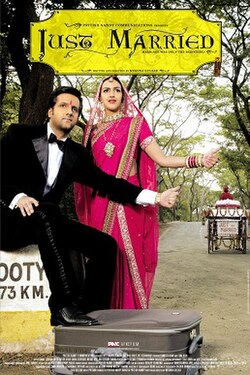
Just Married (2007 film)
P.O.Aust Married is a 2007 Indian Hindi-language comedy film directed by Meghna Gulzar, starring Fardeen Khan, Esha Deol in lead roles along with Satish Shah, Kirron Kher and Mukul Dev in supporting roles.[1]
Plot
Abhay Sachdeva and Ritika Khanna are young, modern Indian professionals. They briefly meet at a wedding and individually make their dislike for arranged marriages known, since they do not understand the concept of marrying a stranger. Unbeknownst to them, their parents meet at the same wed
Plot
Abhay Sachdeva and Ritika Khanna are young, modern Indian professionals. They briefly meet at a wedding and individually make their dislike for arranged marriages known, since they do not understand the concept of marrying a stranger. Unbeknownst to them, their parents meet at the same wed
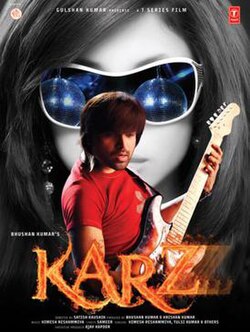
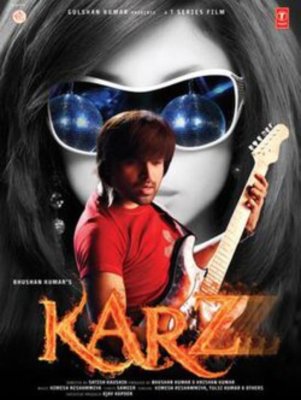
Karzzzz
P.O.AKarzzzz (transl. Debt) is a 2008 Indian Hindi-language romance fantasy action film[1] directed by Satish Kaushik. It stars Urmila Matondkar and Himesh Reshammiya. It is a remake of Karz (1980)[2] and also inspired by The Reincarnation of Peter Proud.[3]
Plot
Ravi Verma has just won a court case against gangster Sir Judah in Kenya, making him the legal recipient of several thousand acres of vineyards. He celebrates the victory by marrying the love of his life, Kamini, and decides to introduce he
Plot
Ravi Verma has just won a court case against gangster Sir Judah in Kenya, making him the legal recipient of several thousand acres of vineyards. He celebrates the victory by marrying the love of his life, Kamini, and decides to introduce he
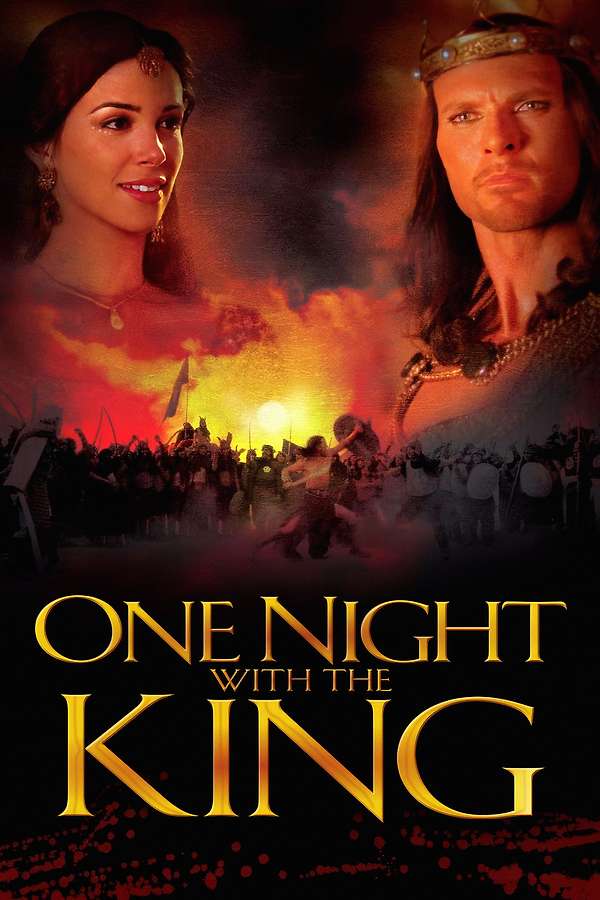
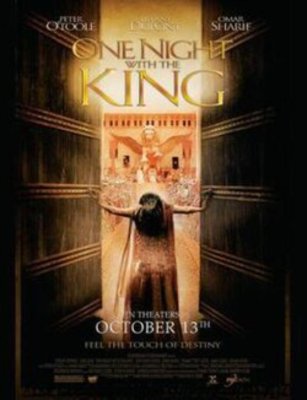
One Night with the King
P.O.AOne Night with the King is a 2006 American epic film produced by Matt Crouch and Laurie Crouch of Gener8Xion Entertainment, directed by Michael O. Sajbel, and starring Peter O'Toole, Tiffany Dupont, John Rhys-Davies, and Luke Goss.
The screenplay by Stephan Blinn is based on Tommy Tenney and Mark Andrew Olsen's novel Hadassah: One Night with the King. One Night with the King is a dramatization of the Biblical story of Esther, who risked her life by approaching the King of Persia to request that
The screenplay by Stephan Blinn is based on Tommy Tenney and Mark Andrew Olsen's novel Hadassah: One Night with the King. One Night with the King is a dramatization of the Biblical story of Esther, who risked her life by approaching the King of Persia to request that

The Wild (TV series)
P.O.AThe Wild is a South African television drama series created and executive produced by Rohan Dickson, Richard Nosworthy and Bronwyn Berry. It is an M-Net original series produced for M-Net by its in-house production company Magic Factory, and stars Shona Ferguson, Connie Ferguson, Tumisho Masha, Gail Mabalane, Ian Roberts, James Alexander, Tyrone Keogh and Clementine Mosimane, amongst others.[1][2]
Cast
Actor Role
Connie Masilo Marang Lebone
Shona Ferguson[2] Itumeleng Tladi
Tumisho Masha Alfred
Cast
Actor Role
Connie Masilo Marang Lebone
Shona Ferguson[2] Itumeleng Tladi
Tumisho Masha Alfred
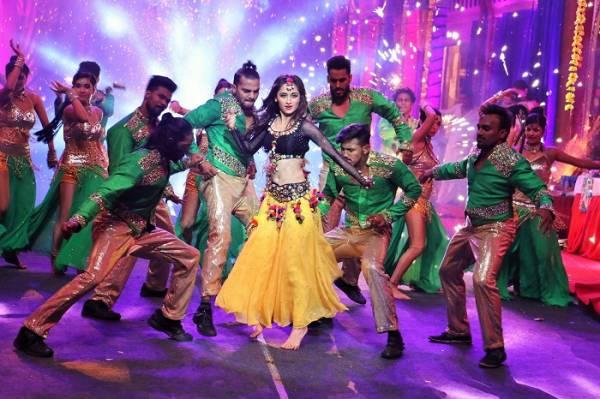
Ask someone to name a memorable Bollywood film, and there is a good chance they will remember more than the actors or the storyline. They may recall a song, a dance sequence, a romantic melody or the music that played during an important moment in their lives.
Bollywood music has always been closely connected to the emotional experience of Indian cinema. It can express love, heartbreak, celebration, friendship and longing, sometimes in ways that dialogue alone cannot achieve.
Music that travels beyond the film
A successful film song often develops a life of its own. It can be played at weddings, family gatherings, celebrations and personal moments. A song may become associated with a particular generation, a relationship or a cherished memory.
This lasting connection is one of the reasons music remains so important to Indian entertainment.
Bollywood's musical tradition has also evolved over the years. Classical influences, folk sounds, contemporary pop, electronic production and international musical styles have all contributed to the changing sound of Hindi cinema.
The importance of the people behind the music
When we talk about a film song, we often mention the actors who appear in the video. However, the creative process involves many other contributors.
Composers, lyricists, playback singers, musicians, choreographers, sound engineers and music producers all play roles in bringing a song to life. Their work helps determine the mood, identity and emotional impact of a musical sequence.
A memorable song is often the result of collaboration between several creative disciplines.
New platforms, new listening habits
Music consumption has also become more digital. Audiences can discover songs through streaming services, short-form video platforms and social media. This gives older songs opportunities to reach new listeners while helping contemporary music spread quickly.
At the same time, the speed of digital trends means that songs can become popular for reasons that extend beyond their original film context.
The timeless appeal of a great melody
Technology may change how we listen, but the emotional connection to music remains powerful. A melody that reminds us of a special moment can remain meaningful for years.
Bollywood music is more than an addition to a film. It is part of the cultural experience that allows cinema to enter our homes, celebrations and memories.
The next time you hear a familiar Bollywood song, take a moment to appreciate not only the performance on screen, but the many artists whose creativity helped create that unforgettable musical experience.
Bollywood music has always been closely connected to the emotional experience of Indian cinema. It can express love, heartbreak, celebration, friendship and longing, sometimes in ways that dialogue alone cannot achieve.
Music that travels beyond the film
A successful film song often develops a life of its own. It can be played at weddings, family gatherings, celebrations and personal moments. A song may become associated with a particular generation, a relationship or a cherished memory.
This lasting connection is one of the reasons music remains so important to Indian entertainment.
Bollywood's musical tradition has also evolved over the years. Classical influences, folk sounds, contemporary pop, electronic production and international musical styles have all contributed to the changing sound of Hindi cinema.
The importance of the people behind the music
When we talk about a film song, we often mention the actors who appear in the video. However, the creative process involves many other contributors.
Composers, lyricists, playback singers, musicians, choreographers, sound engineers and music producers all play roles in bringing a song to life. Their work helps determine the mood, identity and emotional impact of a musical sequence.
A memorable song is often the result of collaboration between several creative disciplines.
New platforms, new listening habits
Music consumption has also become more digital. Audiences can discover songs through streaming services, short-form video platforms and social media. This gives older songs opportunities to reach new listeners while helping contemporary music spread quickly.
At the same time, the speed of digital trends means that songs can become popular for reasons that extend beyond their original film context.
The timeless appeal of a great melody
Technology may change how we listen, but the emotional connection to music remains powerful. A melody that reminds us of a special moment can remain meaningful for years.
Bollywood music is more than an addition to a film. It is part of the cultural experience that allows cinema to enter our homes, celebrations and memories.
The next time you hear a familiar Bollywood song, take a moment to appreciate not only the performance on screen, but the many artists whose creativity helped create that unforgettable musical experience.
View details
Showcase listing
No products available
This business hasn't listed products for sale yet.
Operating Hours
Monday
9:00 AM - 6:00 PM
Tuesday
9:00 AM - 6:00 PM
Wednesday
9:00 AM - 6:00 PM
Thursday
9:00 AM - 6:00 PM
Friday
9:00 AM - 6:00 PM
Saturday
9:00 AM - 4:00 PM
Sunday
Closed
No staff information available
No reviews yet
Be the first to leave a review!